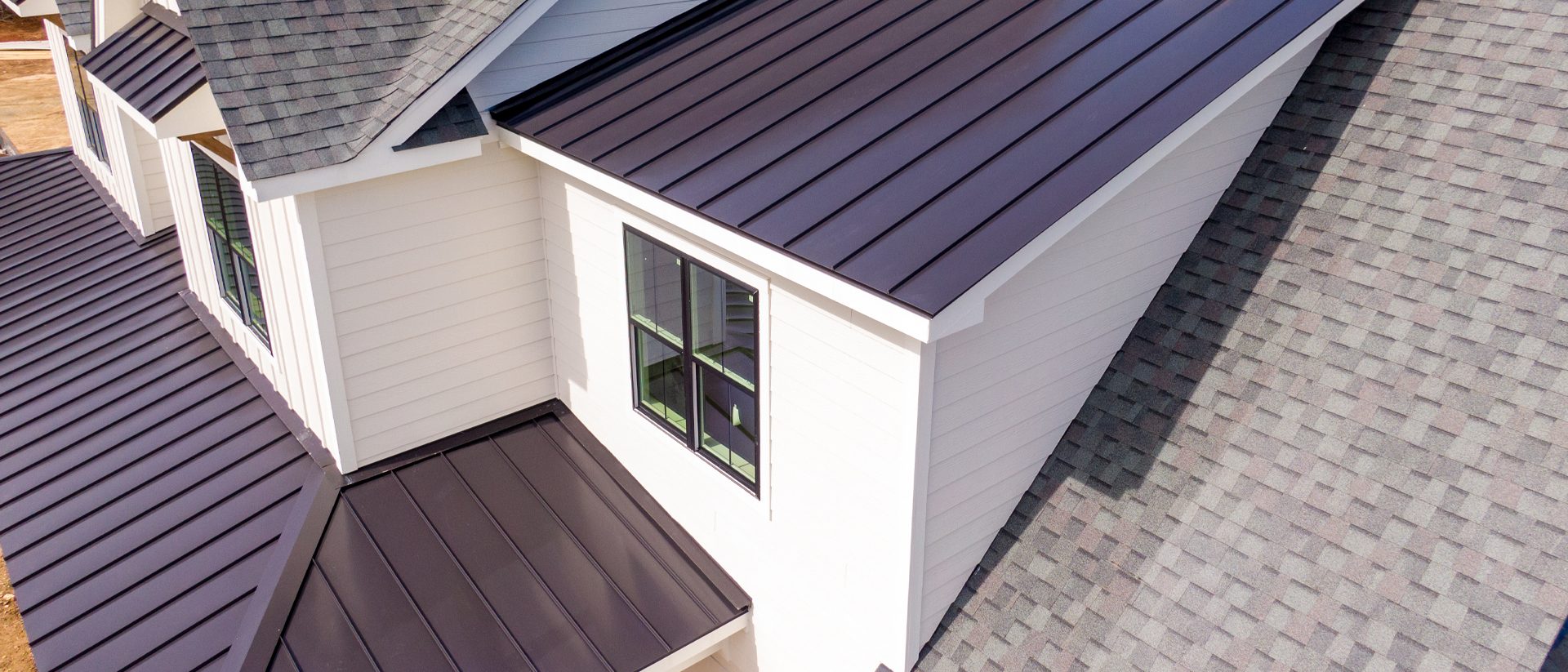

All Major Surfaces Covered
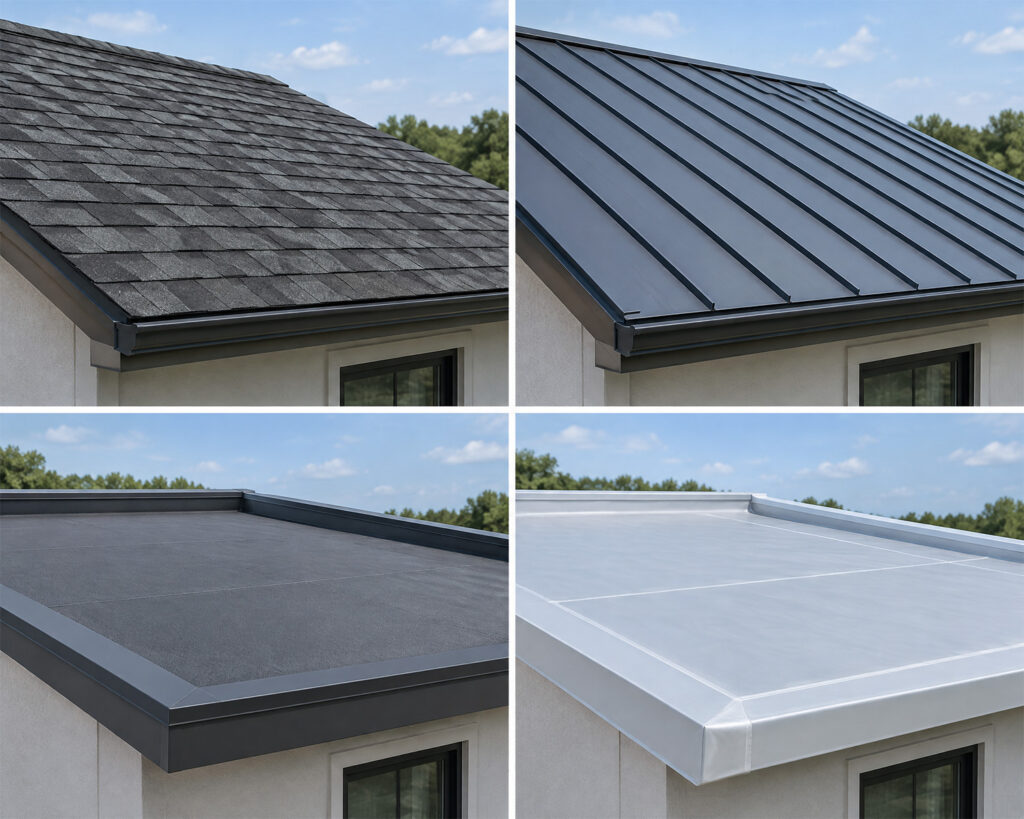
Shingles, metal, and membrane—we’ve got roof heating products that are right for your roof.

Clears Roofs Efficiently
Melt snow and ice off your roof and ensure proper drainage pathways remain open.

Expert System Design
Our specialists design the roof heating system for your exact roof surface, shape, and climate zone.

Live Installation Support
Our technical team is available during every installation.
The Surface Determines the Installation
Our roof heating products work on all major roof types. What varies is the installation method, whether the cable or mat is installed above or below the roof, and aesthetic preference. Our specialists know the right approach for your surface and make sure your contractor has everything they need.
The Most Popular Roof for Roof Heating
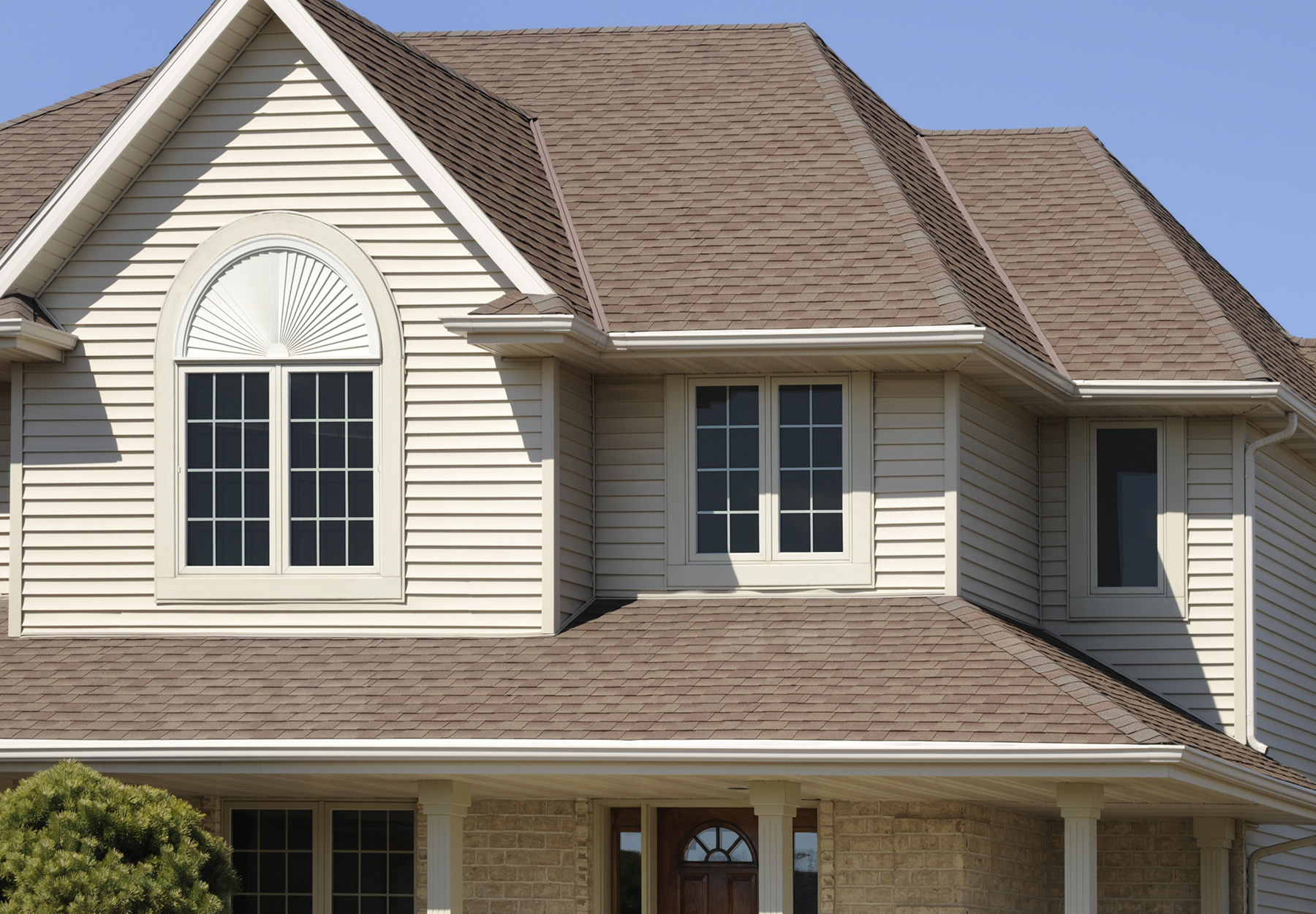
Asphalt shingles are the most common residential roofing material in the U.S. They work with all our roof heating products that are designed to prevent ice dams and manage snow and ice buildup.
-
Flexible Heating Options
Asphalt shingles work with all roof heating products we offer, giving you flexibility based on your roof and heating needs.
-
Installation Options
Depending on the product, the heating element can be installed over the shingles or beneath them.
-
Ideal for Roof Edges and Valleys
Shingle roofs often develop ice dams around eaves and valleys. Heating products can be targeted to keep drainage paths open.
-
Low-Profile Options Available
Certain roof heating products can be installed beneath asphalt shingles, keeping the heating system largely hidden from view.
Installation Method:
Installation varies by product, with heating cables installed on top of the shingles and select heating systems installed beneath them, including options designed specifically for new roof construction.
Products That Match a Long Lifespan
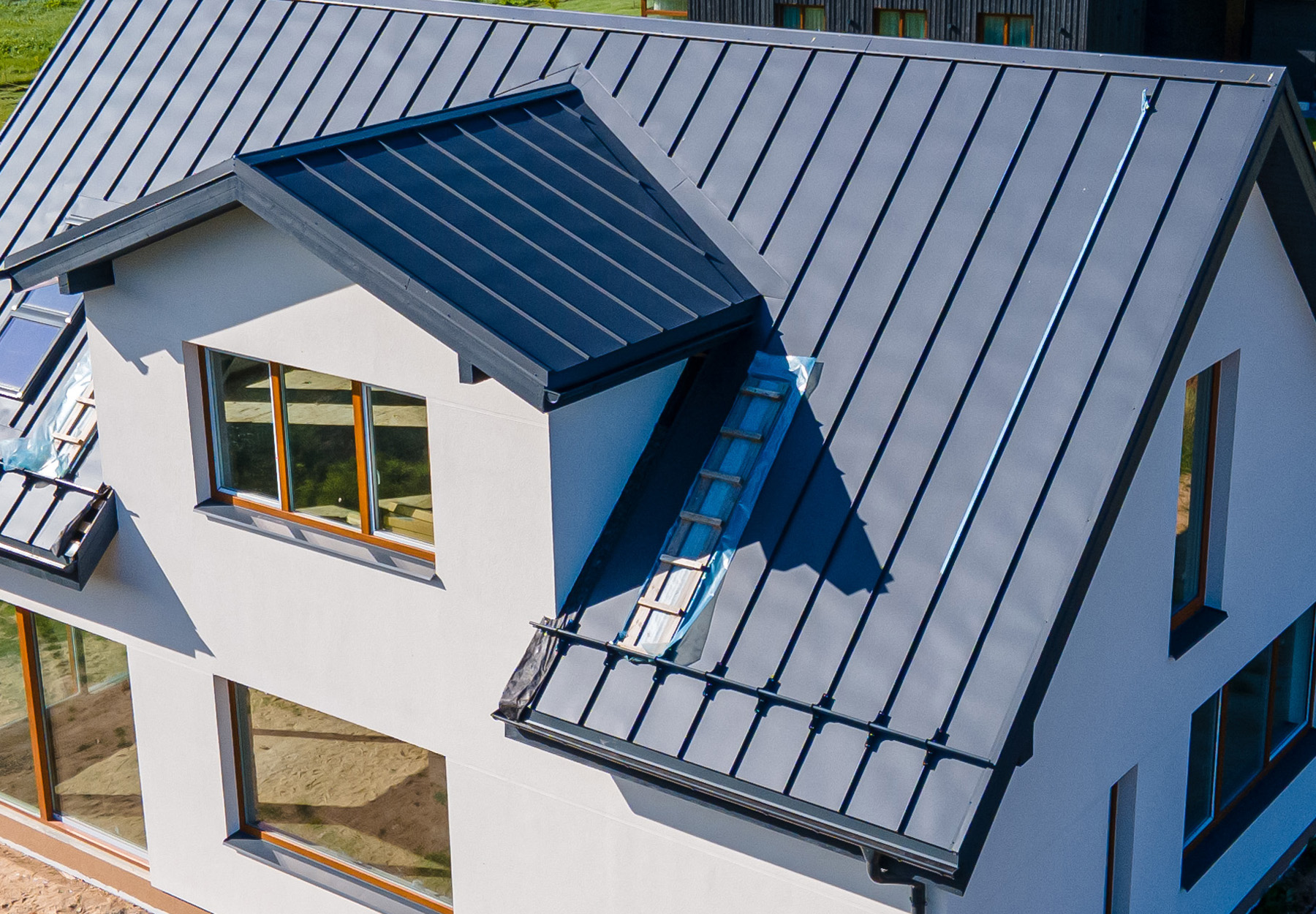
Metal roofs have long lifespans and need a roofing system with efficiency and longevity in mind. Metal roofs work with several roof heating options, with the best approach depending on the roof style, system, and areas that need coverage. We account for these factors to design a system that works with your specific roof and installation needs.
-
Works With Multiple Heating Options
Metal roofs are compatible with several roof heating products, including cables and panel systems.
-
Compatible With Standing Seam Roofs
Roof heating products can be installed with common standing-seam metal roofing systems.
-
A Long-Lasting Foundation
The durability and long lifespan of a metal roof provides a stable surface for roof heating products designed to perform for years.
-
Supports Drainage at Edges
Heating eaves and drainage paths helps prevent meltwater from refreezing as it reaches the edges of metal roofs.
Installation Method:
Installation varies by product and metal roof style, with some heating systems installed directly on top of the roof and others integrated with or beneath the metal roofing during installation.
Flat Roofs Fully Drained
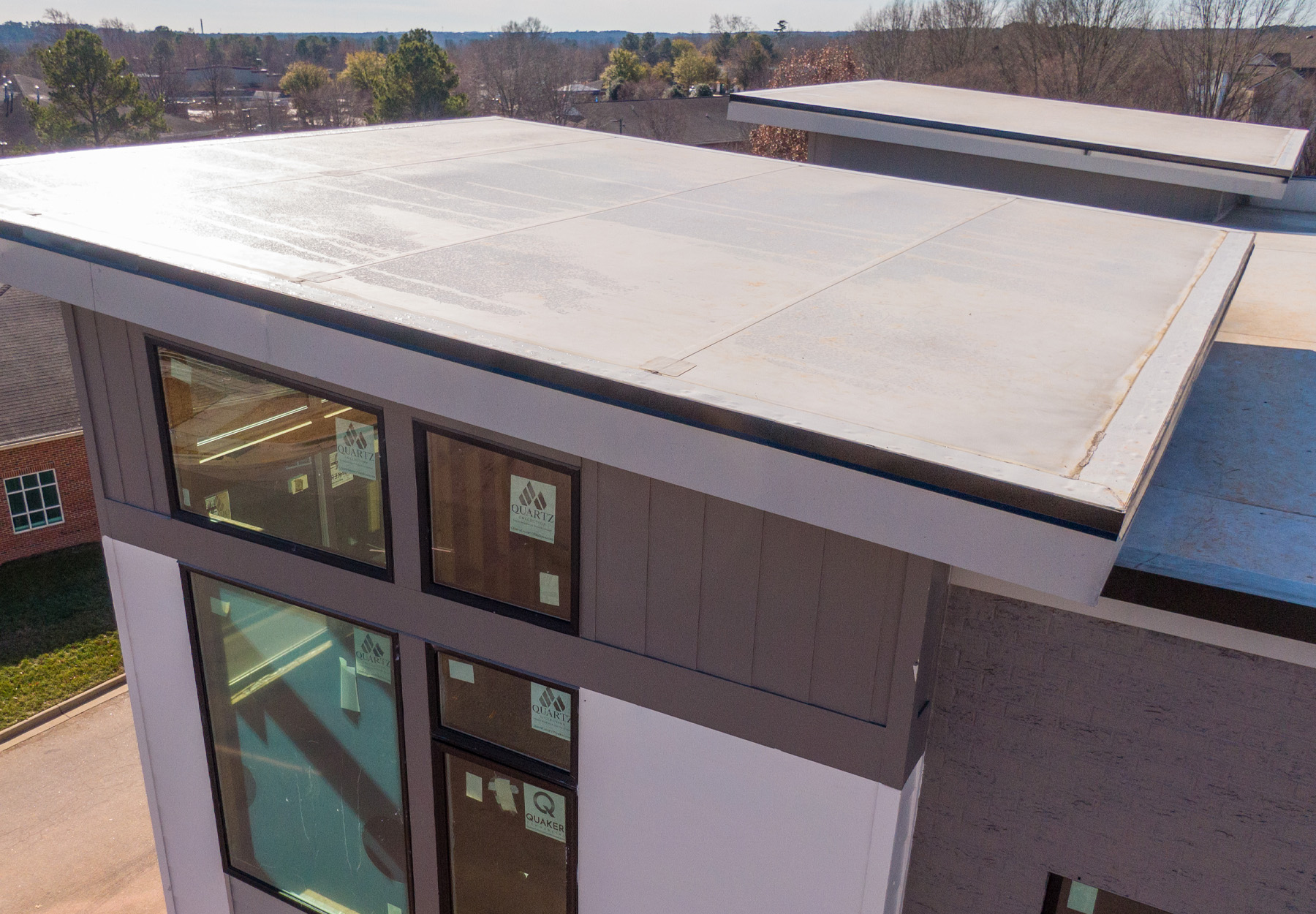
Flat and low-slope membrane roofs rely on drains and drainage paths to move water off the roof. Roof heating helps keep these areas clear of snow and ice, allowing meltwater to drain instead of refreezing and creating buildup.
-
Keeps Drains Open
Heating cables around roof drains help prevent snow and ice from blocking the primary path for meltwater to leave the roof.
-
Maintains Drainage Paths
Heating cables can follow drainage routes across the roof, helping meltwater reach drains without refreezing along the way.
-
Heats Larger Problem Areas
Our rollout heating product can be installed beneath the membrane to provide broader heat coverage where snow and ice buildup is a recurring concern.
-
Helps Prevent Standing Water
By keeping critical drainage areas clear, roof heating helps reduce the pooling that can occur when snow and ice prevent a flat roof from draining properly.
Installation Method:
Installation varies by a flat roof’s problems area, with some heating systems installed directly on top of the roof and others beneath the membrane roofing during installation.
What people say about us
Why Choose Warmzone for Your Roof Surface
The expertise and support for every installation—whether it’s shingle, metal, or membrane.
Guided Project Start
Every project starts with a conversation. Our heating specialists discuss roof type, dimensions, power supply, and climate zone. We design the system layout for you, select the right product, and explain every decision.
Installer Support at Every Step
Our technical team is available during every step. Full documentation, wiring diagrams, and resistance testing procedures are accessible in the professional section.
After-Sales Support
Questions after installation? Warmzone specialists are available after your system is live for whatever troubleshooting you encounter.
Trusted Across North America
When you work with us, you aren’t just buying a roof heating system. We provide total system design and configuration, troubleshooting, and ongoing support even after your system is installed.
Products & Applications
Our roof heating products work on every major roof surface. The right system depends on your surface shape, size, and specific challenges.
What roof type needs heating?
Shingled residential, seamed metal, and commercial flat membrane roofs. Each application has its own challenges and requirements. See what’s involved for your project.
Compare Roof Heat Systems
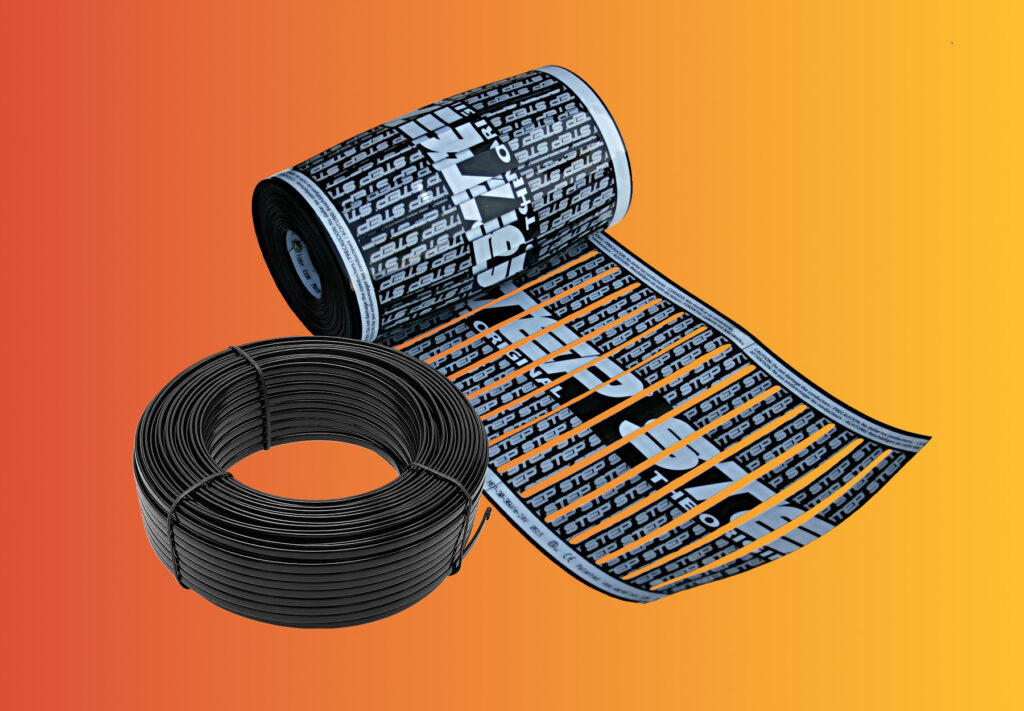
Cables, panels, and rollout mats are all compatible with the surfaces listed on this page. The right product for your project depends on your surface shape and size.
Most major roofing surfaces can accommodate roof heating products, including asphalt shingles, metal roofing, and flat or low-slope membrane roofs. The appropriate product and installation method depends on the roofing material, roof design, areas requiring coverage, and whether the project is new construction.
Yes. Certain products can be installed beneath shingles or metal roofing, while others are installed directly on top of the finished roof. Below-roof installation is typically easiest to incorporate during new construction or a roof replacement. Warmzone can recommend an installation method based on the roof and project requirements.
Keeping drains and the paths leading to them clear is particularly important on flat and low-slope roofs. Heating cables can be positioned around drains and along drainage routes to help meltwater leave the roof without refreezing. Larger problem areas can also be heated with products installed beneath compatible membrane roofing.
The best approach depends on where ice is forming and how water drains from the roof. Heating can be concentrated along eaves, valleys, and other critical drainage areas to maintain a path for meltwater. The appropriate product and layout will also depend on the style of metal roof, including whether it uses a standing-seam system.
FAQs: Roof Type Questions Answered
Commonly asked questions about surface compatibility, installation method, and project scope. More questions? Please contact our team.
Ready to Heat Your Roof?
Tell us your roof type, dimensions, and location. Our specialists will confirm compatibility, the correct installation method, and design your project system.