
Radiant Floor Heating for any Rooms
Thinking of adding floor heat to a carpeted living room or a mudroom to create a more welcoming entry? We’ve seen it all and have over 50 years of combined experience no matter your floor and room combination.

Bedroom
Radiant floor heating provides quiet, even heat throughout the bedroom while keeping floors comfortably warm underfoot.
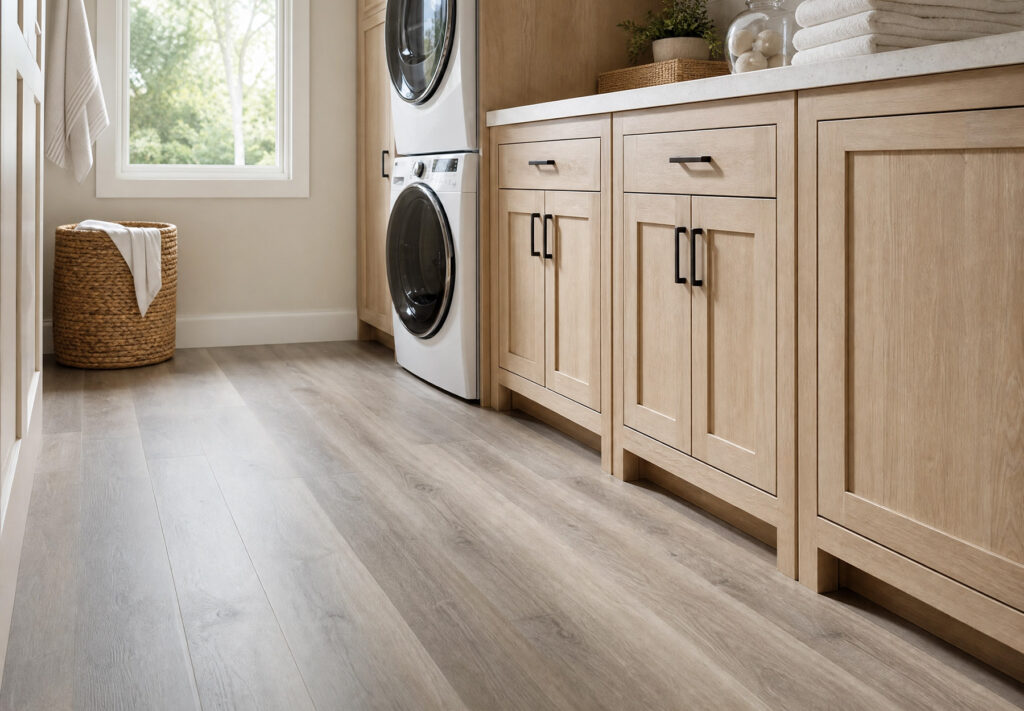
Laundry Room
Floor heating keeps tile and other hard surfaces warm while adding consistent heat to laundry and utility spaces.

Mudroom
Radiant floor heating keeps cold entryway floors warm and provides added comfort during the winter months.

Sunroom
Floor heating adds consistent warmth to sunrooms, helping keep spaces comfortable when outdoor temperatures drop.

Living Room
Radiant floor heating provides even warmth throughout living rooms without vents, radiators, or other visible heating equipment.

Kitchen
Floor heating keeps tile and other hard kitchen surfaces warm underfoot while providing even heat throughout the room.
Surfaces and Products
Choose from electric cable, mat, membrane, and panel solutions suitable for residential, commercial, and municipal applications.
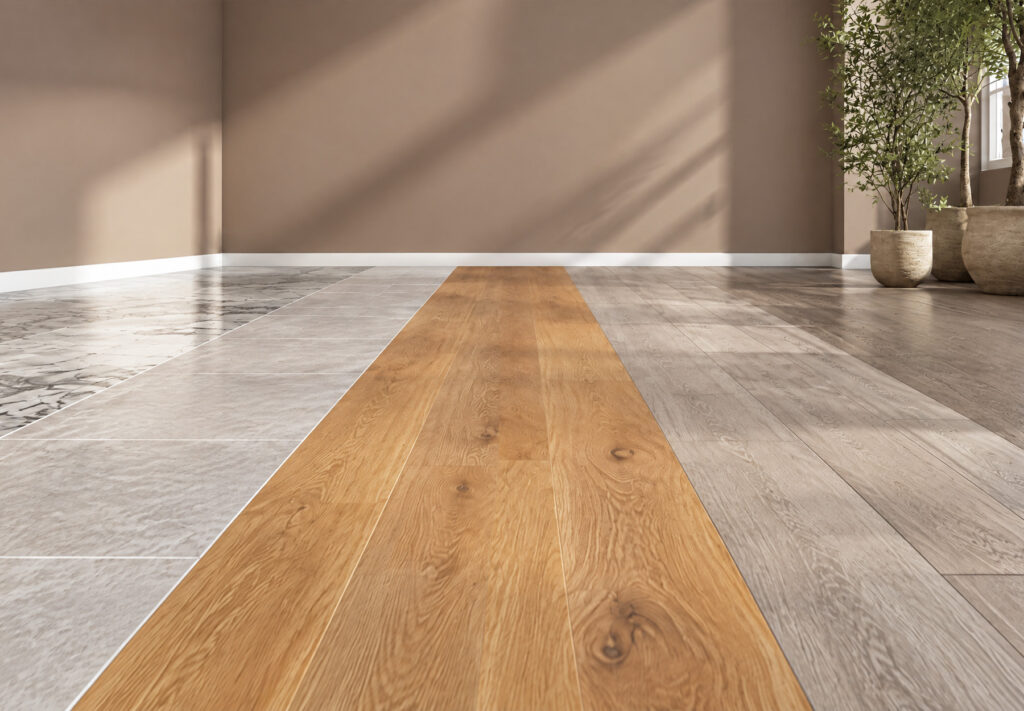
Works on all Major Floor Types
Our floor heating can be used with all standard flooring surfaces, whether new construction or existing spaces. Depending on the room, heating can be placed beneath the finished floor or retrofitted from below to provide consistent warmth throughout the room.
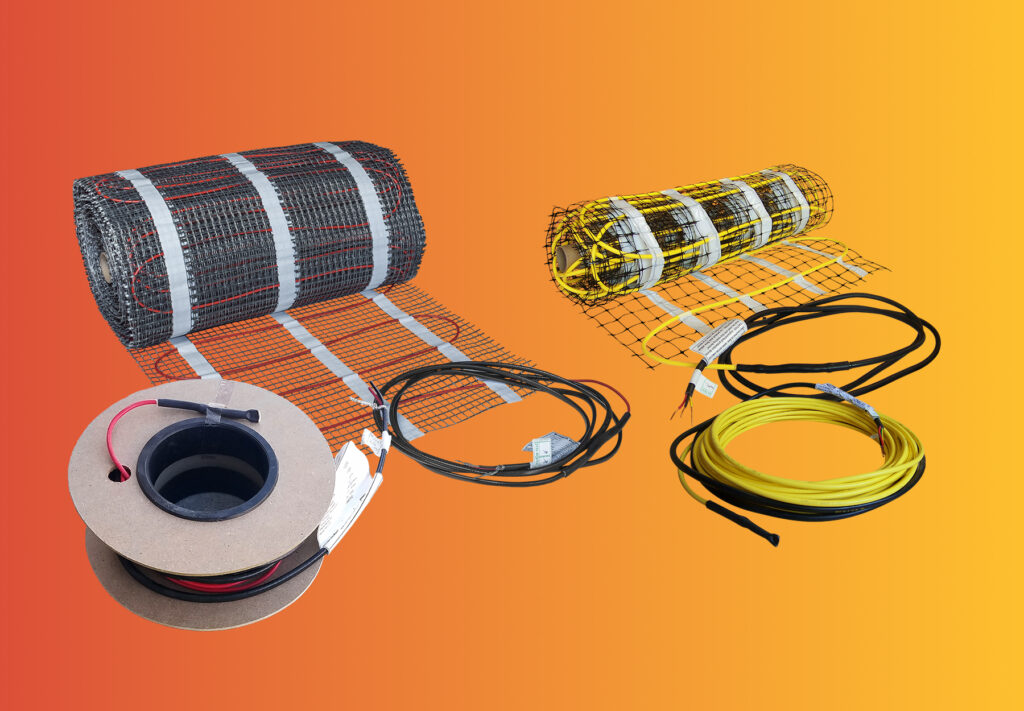
Compare Floor Heating Systems
Each room type featured on this page can be paired with any of our floor heating products. The best fit will depend on the flooring material, room layout, and project requirements.
Radiant floor heating can last for decades when properly installed. Electric heating cables and mats have no moving parts, which helps reduce wear and maintenance over the life of the system.
Most problems with electric radiant floor heating are related to improper installation, damaged heating elements, faulty sensors, or thermostat issues. Proper system design, installation, and testing can help prevent many of these problems.
Electric floor heating uses electricity and will add to your energy use, but may be cheaper than HVAC depending on usage. The actual cost depends on the size of the heated area, system wattage, local electricity rates, insulation, and how often the system operates.
Not necessarily. Floor heating can be controlled by a thermostat and scheduled around when the space is used, rather than operating continuously. In rooms that are used regularly, maintaining a consistent temperature may be more practical than repeatedly heating a completely cold floor.
FAQs: Other Room Type Questions Answered
The most common questions we get about planning a floor heating system. More questions? Please contact our team.
Talk to a specialist
Tell us about your project. Our specialists will help you design the right system and guide you through every step of your project.