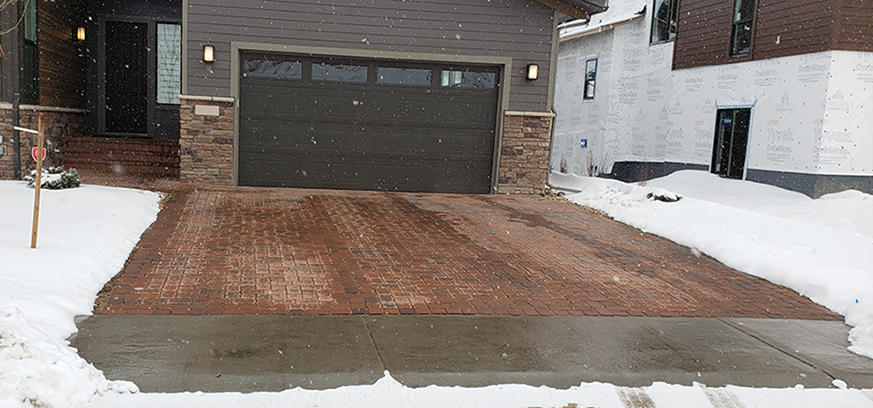

Designed for Your System
Designed by our team to meet your system’s needs

Automatic or manual
Activate your system manually or use sensors to trigger it automatically when temperature and moisture conditions are met
Included in Every Design
A complete system, no separate sourcing needed.

Support on Installation Day
Our team is available during the whole process.
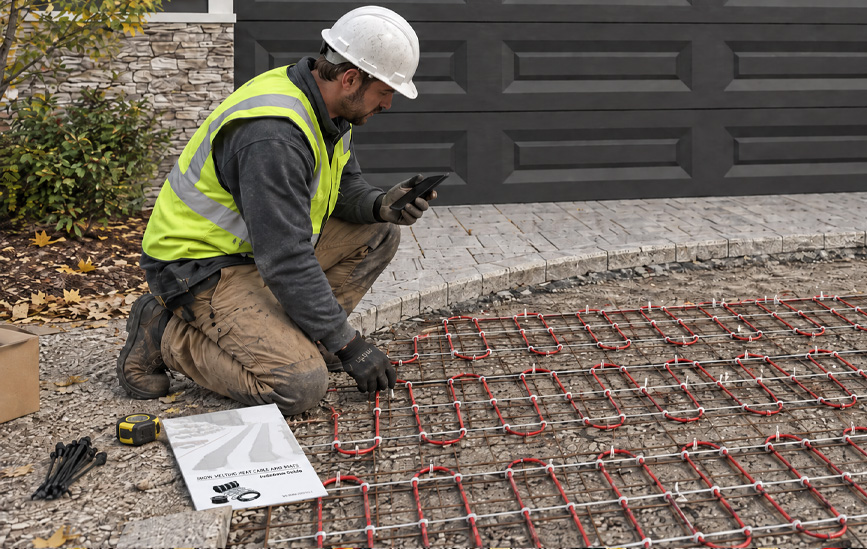
A total system, accessories included
Every system comes with a complete set of heating system controls and accessories to ensure your system functions efficiently. Our experts know what your project requires—no guesswork.
The Vital Components That Make Our Systems Tick
Our sensors, controls, and other accessories work together to manage your heating system. They determine when the system turns on and off and coordinate its operation.
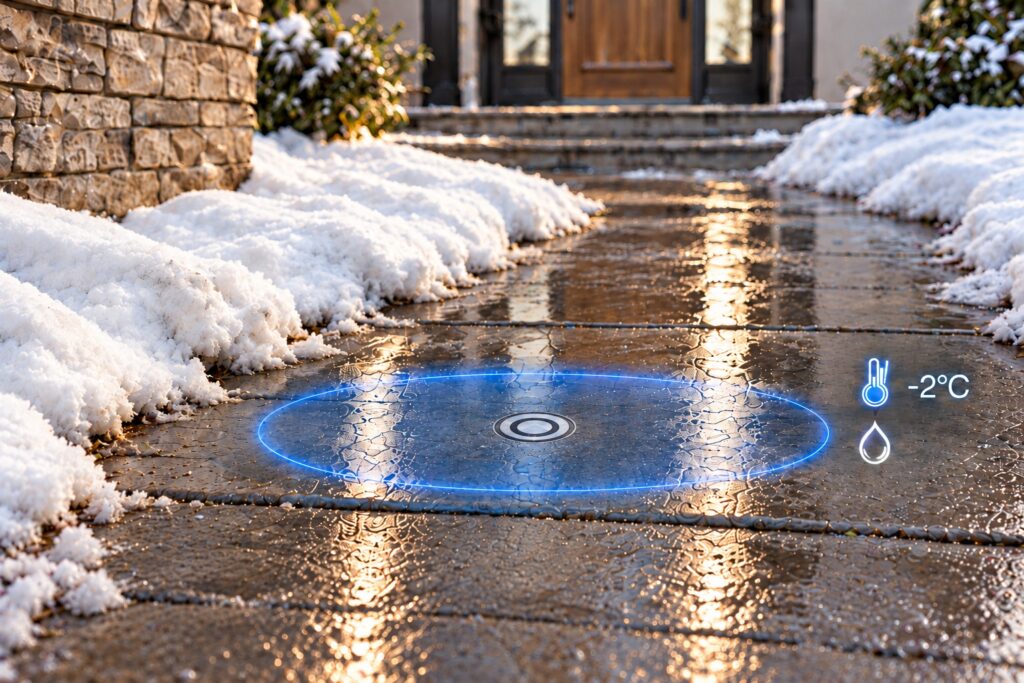
In-Ground Sensors
Installed in the ground between the heating cables, these sensors alert the system controls when temperature and moisture conditions meet the preset thresholds. Custom temperature settings can also be configured.
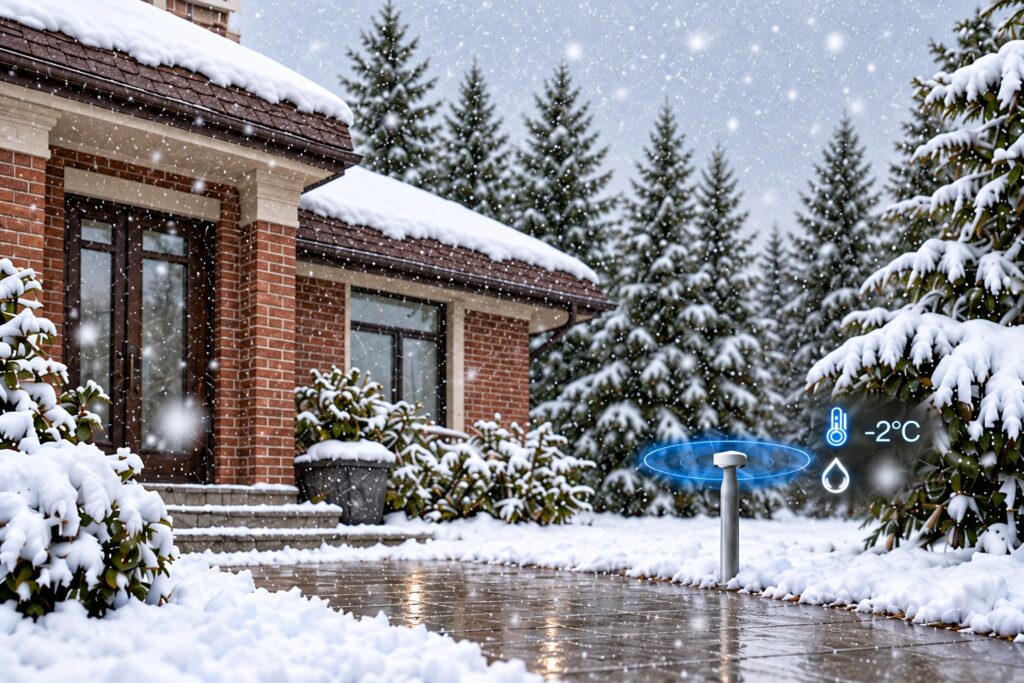
Aerial Snow Sensors
Mounted on poles beside the heated area with a clear line of sight, these sensors also alert the heating system controls when temperature and moisture conditions meet the preset thresholds

System Activation and Zone Management
Heating system controls receive input from sensors and thermostats and are responsible for turning the system on. They also manage heating systems with multiple zones.
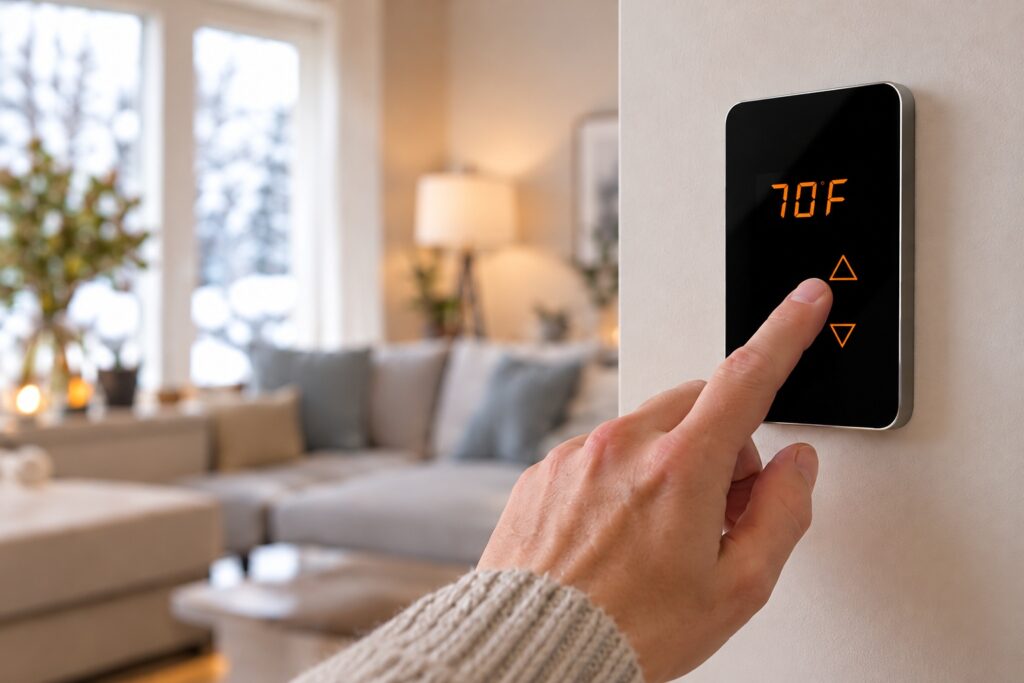
User Input Device
Thermostats let you set your preferred temperature and adjust heating settings through an easy-to-use interface.
Not sure which components to choose?
Our specialists know which controls are right for your system. Surface area, number of zones, sensor type, and power availability determine controller selection. We sort this all out during the design stage, at no extra cost to you.
Heating controls include thermostats, sensors, and system controllers. Thermostats monitor temperature, sensors detect conditions such as temperature and moisture, and controllers use that information to activate the heating system and manage individual heating zones.
Common signs of a faulty heat sensor include a system that doesn’t turn on when expected, activates at the wrong temperature, or runs when heating isn’t needed. Because similar issues can also be caused by the controls, wiring, or power supply, the sensor and system should be properly tested before replacing any components.
Most thermostats have a built-in temperature sensor or rely on an external sensor to monitor temperature. The type and location of the sensor depend on the heating system and how the thermostat is designed to control it.
The cost to replace a heat sensor varies depending on the sensor type, heating system, and installation requirements. Some sensors are simple to replace, while embedded or hard-to-access sensors may require additional labor. For Warmzone systems, contact our team to identify the correct replacement sensor and determine what your system requires.
FAQs: Heating System Controls and Accessories
Common questions we receive about selecting controls and accessories and how they work together
Reach out find out what components you need
Tell us about your project, surface, application, and dimensions. Our specialists will design a complete system that includes the right sensors, thermostats, and controls.