Indiana Regions
Three Main Climate Regions in Indiana
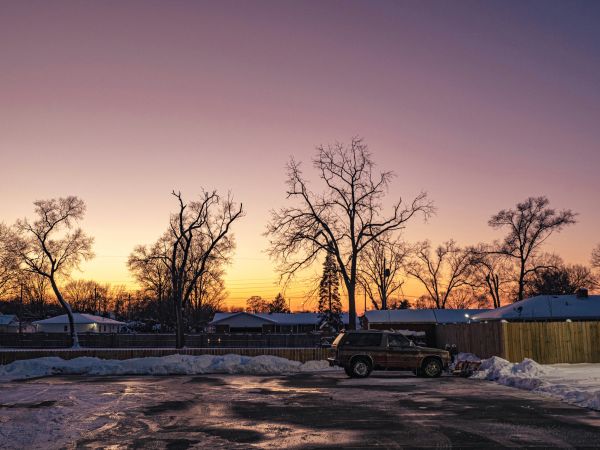
Northern Indiana
South Bend, Fort Wayne, Gary, Elkhart
- Winter lows: 15–25 ℉
- Snowfall: 30–70+ inches
- Climate Challenges: lake-effect snow, long freezes, heavy snow
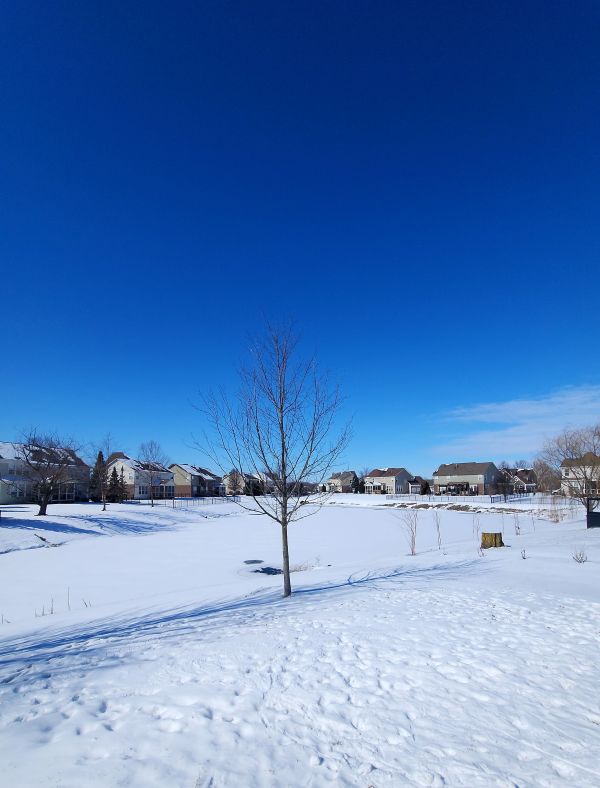
Central Indiana
Indianapolis, Lafayette, Muncie, Terre Haute
- Winter lows: 20–25 ℉
- Snowfall: 20–30 inches
- Climate Challenges: freeze/thaw cycles, freezing rain, winter storms
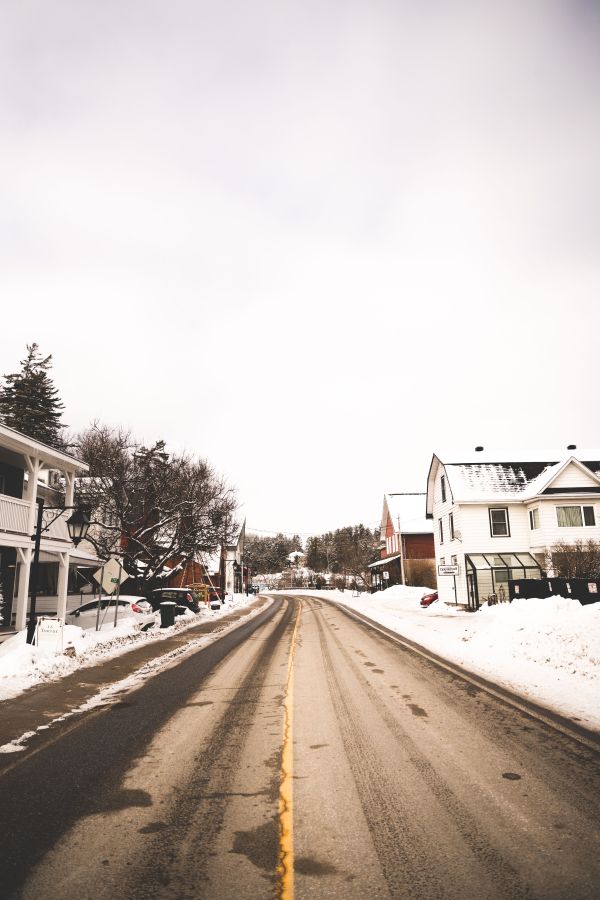
Southern Indiana
Bloomington, Evansville, New Albany, Madison
- Winter lows: 25–30 ℉
- Snowfall: 10–20 inches
- Climate Challenges: freezing rain, mixed precipitation, rapid temperature changes
Which System is Best for Your Indiana Property?
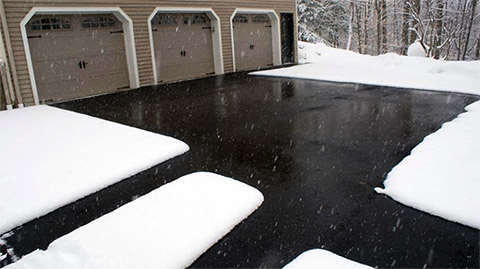
Snow Melting
Clearzone cables and mats for driveway, walkways, and more. Full or zoned coverage. Retrofit options available.
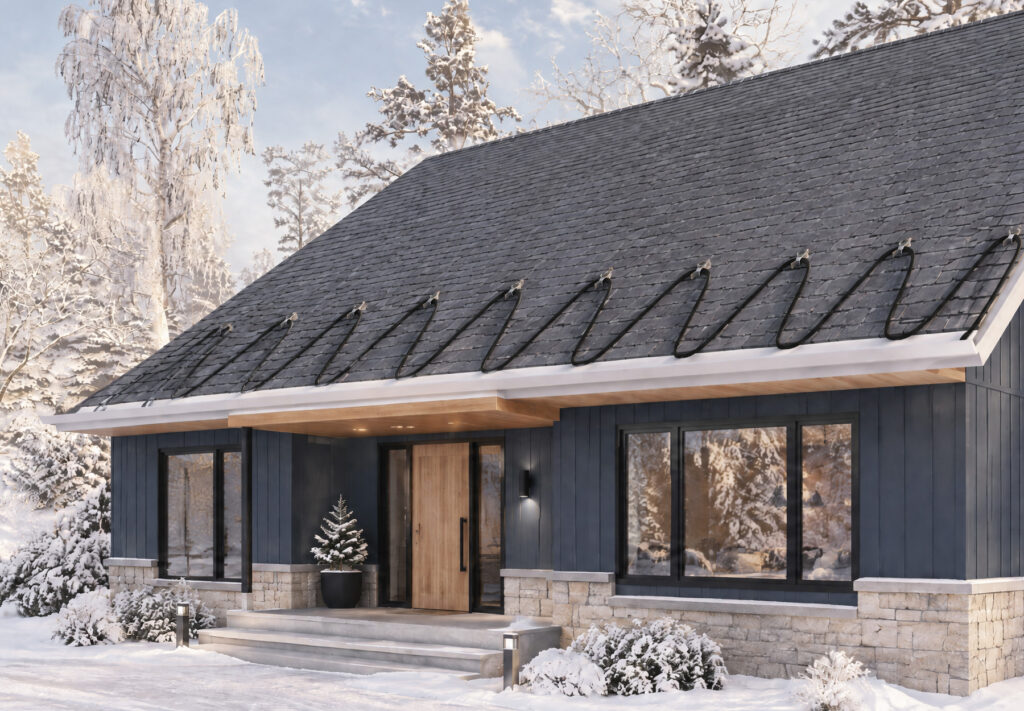
Roof Deicing
Several product options including self-regulating cable and low-voltage mats that prevent ice dams and snowpack.

Not sure where to start?
Tell us about your property and climate, we’ll recommend a system and design it for free.
Indiana Freeze Window
Indiana winters begin in December and last through March. Outdoor systems are best installed outside of this window.
Contact us year-round for a free quote and custom system design. Installation timing depends on your project and local conditions.
From Plans to Installation
Contact Us
Have a blueprint, sketch, or some photos of the area needing radiant heat? Send them on over. Don’t have those? That’s okay. We’ll discuss your Indiana radiant heating project, identify the needs, potential challenges, and how you plan to use the system.
Get a Free System Design
Our system engineers will design your system, provide a detailed installation plan, and all the materials needed. All free of charge.
The Whole System Ships to Your Site
All system components ship to your site, or to your installer, your choice, by your installation date.
Trained Independent Installer
While we don’t install Indiana radiant heating systems ourselves, we design and supply the system AND train and support your installer. We provide free installation training and all system documentation to help ensure your system is installed correctly. We are even available by phone M-F, 8am-5pm (MT) to answer any question your installer may have on installation day.
What our Indiana Radiant Heating Customers Say
“I can’t say enough good things about Warmzone’s customer service and their driveway heating cables. They’ve saved me so much time shoveling and deicing the concrete.
”
“Since installing Warmzone’s floor heating mats under our bathroom floor, our tile is never cold. Not even during the coldest days!
”
“The short road leading up to our house is steep and dangerous going up and coming down. Warmzone designed a targeted heated zone for us and showed us the best products to use. Now it’s easy to go up and down the road.
”
It can help reduce the need for chemical deicers on heated areas. Salt and other deicing chemicals can contribute to deterioration of concrete over time, while a snow melting system uses heat to clear snow and ice instead.
It can. Areas of northern Indiana that regularly receive lake-effect snow may experience heavier or more frequent accumulation. Snowfall rates, local temperatures, surface type, and required coverage are considered when determining system output and layout.
Yes. Tile conducts heat effectively, making it well suited for radiant floor heating. Electric mats or cables installed beneath the tile warm the floor directly and can eliminate the cold surface commonly experienced in bathrooms, kitchens, and other tiled spaces.
Yes. Snow melting systems can be designed for private roads and other large paved areas. Depending on the project, heating can cover the entire surface or focus on critical sections where traction and access are most important.
Indiana Radiant Heating FAQs
Questions we receive the most about Indiana radiant heating. More questions? Please contact our team.
Live in Indiana?
Tired of snow, ice, and cold indoor floors? We’ll design your Indiana radiant heating system for free and include it in your quote