Key Takeaways
- Proper maintenance protects against snow, ice, water damage, and structural issues.
- Self-regulating cables, mats, and panels melt snow and ice automatically, reducing risk and repair costs.
- Roof damage, gutter stress, and attic moisture can lead to expensive replacements and energy loss.
- Roof heat prevents premature roof replacement, reduces energy bills, and avoids emergency repairs.
- Cables, mats, and heating panels fit different roof types and aesthetics, maximizing protection and efficiency.
Can’t Live Without It: A Good Roof is Gold
A house without a roof is like your body without skin, totally exposed. Your roof is your first line of defense against the elements, keeping you safe, warm, and dry. It is the guardian of everything inside. Giving your guardian the proper armor isn’t just smart; it’s essential. Investing in roof maintenance, like de-icing, enables your roof to fight against the elements for years to come. Think of Warmzone as your own personal roof armory, always ready to outfit your first line of defense.
50 Words for Snow, But Your Roof Has One: Deicing!
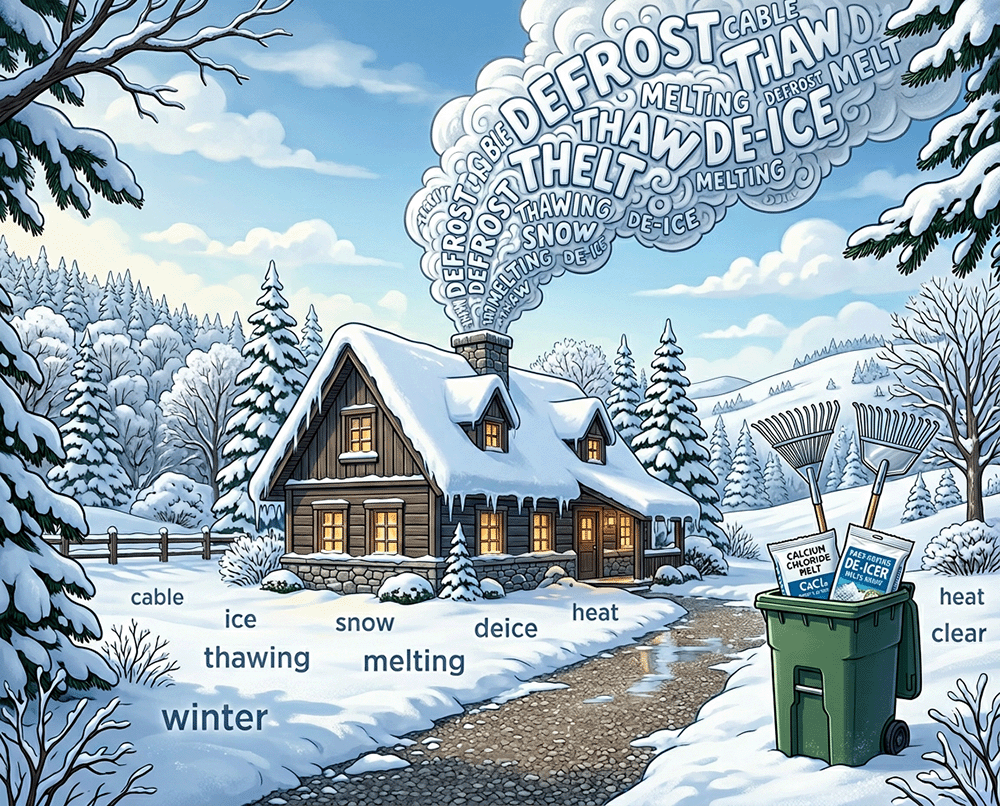 Inuit languages don’t really have 50 words for snow; it’s closer to 30. But your roof? It probably has a whole dictionary for de-icing. For the rest of us, here’s the TL;DR: roof deicing is the process of preventing or removing snow and ice from a roof. Traditionally, this was done with mechanical tools like roof rakes and shovels, or chemical melts such as calcium, magnesium, or potassium compounds.
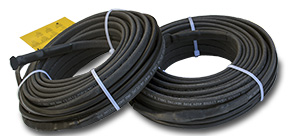
But today the game is different, thanks to electric roof heating cables (also called roof heat tape), panels, and mats that automatically melt snow and ice. Powered by your home’s grid, these products heat up once sensors detect precipitation or a minimum temperature, melting snow and ice, and sending it into gutters and downspouts (which also need heating to prevent reformation!).
Winter is a Cruel Mistress: Damage Your Roof Can Sustain
Ice Dams
They can be a real nightmare, and they start when heat rises through the attic or top living level to the roof, causing snow to melt. The melted snow runs down to the eaves and refreezes since that part of a roof is not insulated. This process intensifies if your roof is a more complicated structure with dormers, valleys, or multiple ridges.
Water from ice dams can seep under shingles, causing damage to drywall, insulation, and even electrical systems.
Read more about ice dams and the havoc they create here.
Snow Load Weight
It can really add up. Most residential roofs can only withstand 20-40 lbs/ft2 of snow. Roofs in regions with cement snow (high-moisture snow) and ice storms, like the Pacific Northwest and the Great Lakes can experience roof cave-ins after heavy storms.
Attic Condensation
When warm, moist air rises from the interior of your home and condenses on cold surfaces, condensation forms. This is bad news for your roof since condensation can lead to insulation damage, wood rot, and mold growth.
Ins and Outs: How Roof Heating Systems Work
Though there are many different roof heating products on the market (and we sell several!), generally speaking, here’s how roof de-icing works:
- De-icing cable is placed along eaves, in gutters and downspouts, valleys, and sometimes, across the entire roof.
- When sensors detect that the temperature has dropped below a preset level and there is moisture, the system activates.
- The conductive core of the heating cable is electrical and self-regulating (unless the system uses constant wattage), increasing or decreasing heat output based on weather conditions.
- Snow and ice melt flow into gutters and downspouts (which should also be equipped with heating cable to prevent reformation).
Today’s Roof Will Thank Yesterday’s You: De-Ice Before Damage
Better safe than sorry…measure twice, cut once…whatever adage you use, it applies to your roof too. And all the underlying systems like the ceilings, framing, electrical, and HVAC. Storm damage from snow and ice can literally have a trickle-down effect.
Installing roof heat cables protects the structural and operational integrity of your home, which prevents long-term costs (think premature roof and insulation replacement), not to mention the endless headaches associated with insurance claims. Properly installed roof de-icing, along with regular maintenance, can extend the life of your roof up to 10 years.
Dough, Cheddar, and Clams. Save Some With Electric Roof Heating
Roof Replacement Costs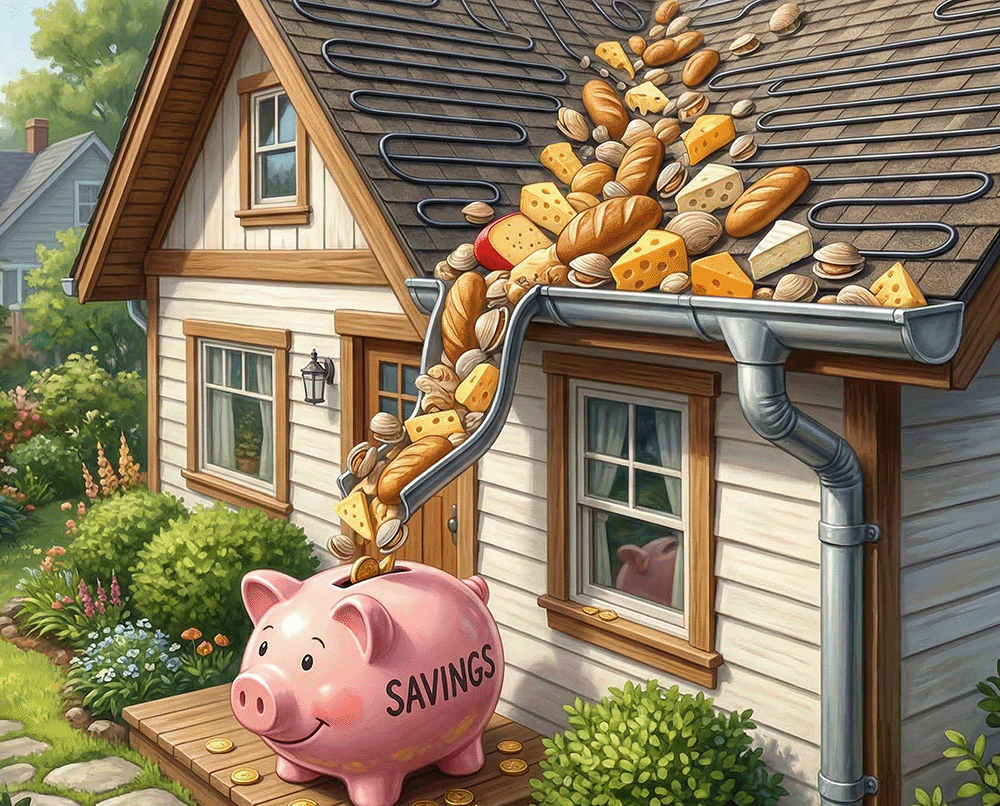
In the US, a mid-range shingle roof replacement for a 2,000 sq ft home costs, on average, between $10,000 and $20,000, and lasts around 25 years. Now imagine your roof sustains damage from ice dams and needs a full replacement at only 10 years into its life. That’s nearly $10,000 you could have saved with proper roof heating.
Energy Loss
Ice dam formation occurs when heat rises from lower levels, causing snow to melt and refreeze along the eaves. Electric heating cables externally prevent heat leaking through the roof, keeping the attic warmer and reducing interior energy bills. Your attic doesn’t have to work as hard at melting snow and ice and ensuring meltwater drains into gutters and downspouts.
Gutters and the Exterior
Gutters and exterior components like fascia and downspouts are just as susceptible to the weight stress of heavy snow and ice. Extra weight can rip gutters off the roof and pull apart fascia boards, costing you upwards of $10,000 depending on the extent of the damage. A roof deicing system relieves weight and stress, eliminating the need for emergency repairs or replacements. Check out our line of products that prevent this damage: product options.
Turn Roof Savings Into Dream Home Upgrades
Interior
Who doesn’t dream of granite countertops, hardwood floors, and heated toilet seats? Homeowner comfort and enjoyment are paramount to homeownership. It is your space and it should fit your lifestyle and desired level of comfort, whether it’s new carpet for the upstairs or the latest smart home system.
Exterior
 First impressions count. New siding and trim, a paver walkway, and maintained garden beds can go a long way toward making your home the envy of the neighborhood and a standout to potential buyers.
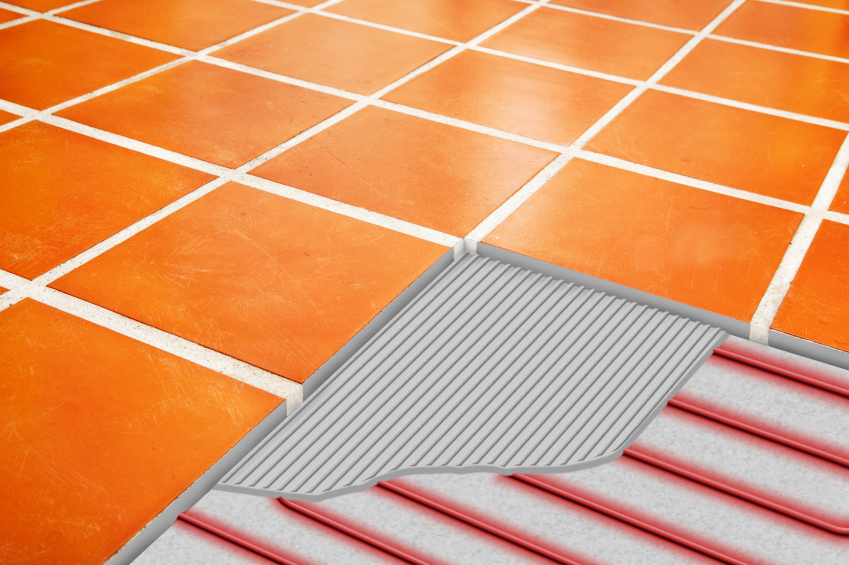
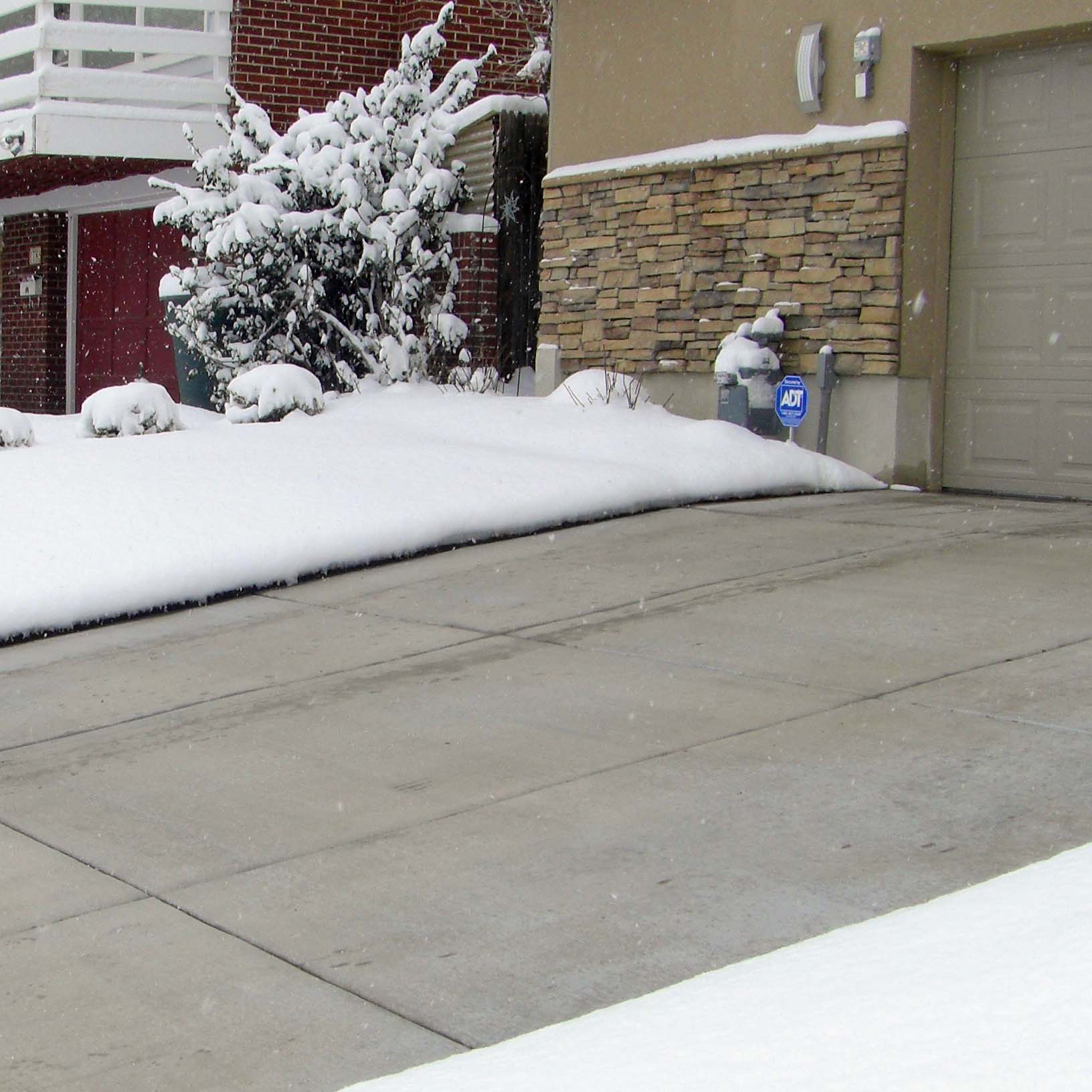
But that’s only half of the equation. Imagine for a moment that you’ve had a long day at work. After your commute you pull into your new driveway (which, already has snow-melt heating installed, of course!). Off to the side, your cherry tree is in bloom; it has just been trimmed by your gardener. The LED lights turn on, flooding the driveway with light—no tripping here.
All thanks to the money you saved with roof heating.
Know Thy Roof: Choosing the Perfect Roof Heat System
Is your roof new? What is it made out of? Asphalt shingles? Metal? Is your roof structurally complex with multiple valleys, ridges, or even a skylight? Having answers to these questions is essential to selecting the right roof heating system.
If you want the easiest installation, a more economical option, and don’t mind the appearance, roof cables are an excellent choice. They even come in a constant wattage option, which means there’s no need to hire an electrician.
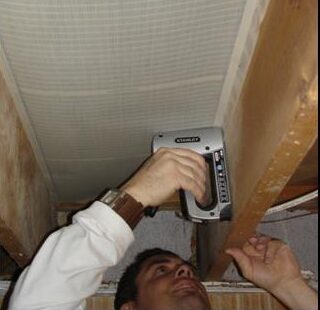
If you have a new roof, or will be replacing your existing roof soon, our RoofHeat STEP membrane mats are a great choice. Installed under shingles, they can be nailed through, and are low voltage so they are safer to work with.
For a more aesthetically pleasing option, roof heating panels are the way to go. Cables are threaded through aluminum panels that are then attached to the eaves, valleys, or even the entire roof depending on your needs. They look sleek and the metal helps the heat radiate.
Blue-Chip Your Home’s Future: Invest in Roof Heat Today
Roof de-icing has come a long way from the days of roof rakes and rock salt. Now, self-regulating cables, smart sensors, and wifi-enabled thermostats stop snow and ice accumulation before it starts. These systems save you time and money, resources you can put back into your home, whether it’s for that walk-in closet you’ve always wanted or a new tile backsplash.
Don’t wait for the next storm. Fill out our free quote form today or call us at 888-488-9276 to speak with one of our roof heating experts. With Warmzone, you’ll keep your home safe, efficient, and comfortable all season long
Roof Heat FAQs
Do roof heating cables use a lot of electricity?
Roof heating cables use relatively low power, mainly to prevent ice dams. Constant wattage cables provide a predictable output, so energy costs remain low.
How much does a heated roof cost?
Costs are generally up to $7 per linear foot of cable, depending on roof size and complexity. Labor, parts, or additional roof work can add to the total.
Can existing roofs be converted to warm roofs?
Most existing roofs can be retrofitted with heating cables without major structural changes. A professional assessment is recommended to ensure proper installation.
Do heating cables melt all the snow?
Heating cables melt snow wherever they are installed on the roof. They protect critical areas like gutters and eaves.